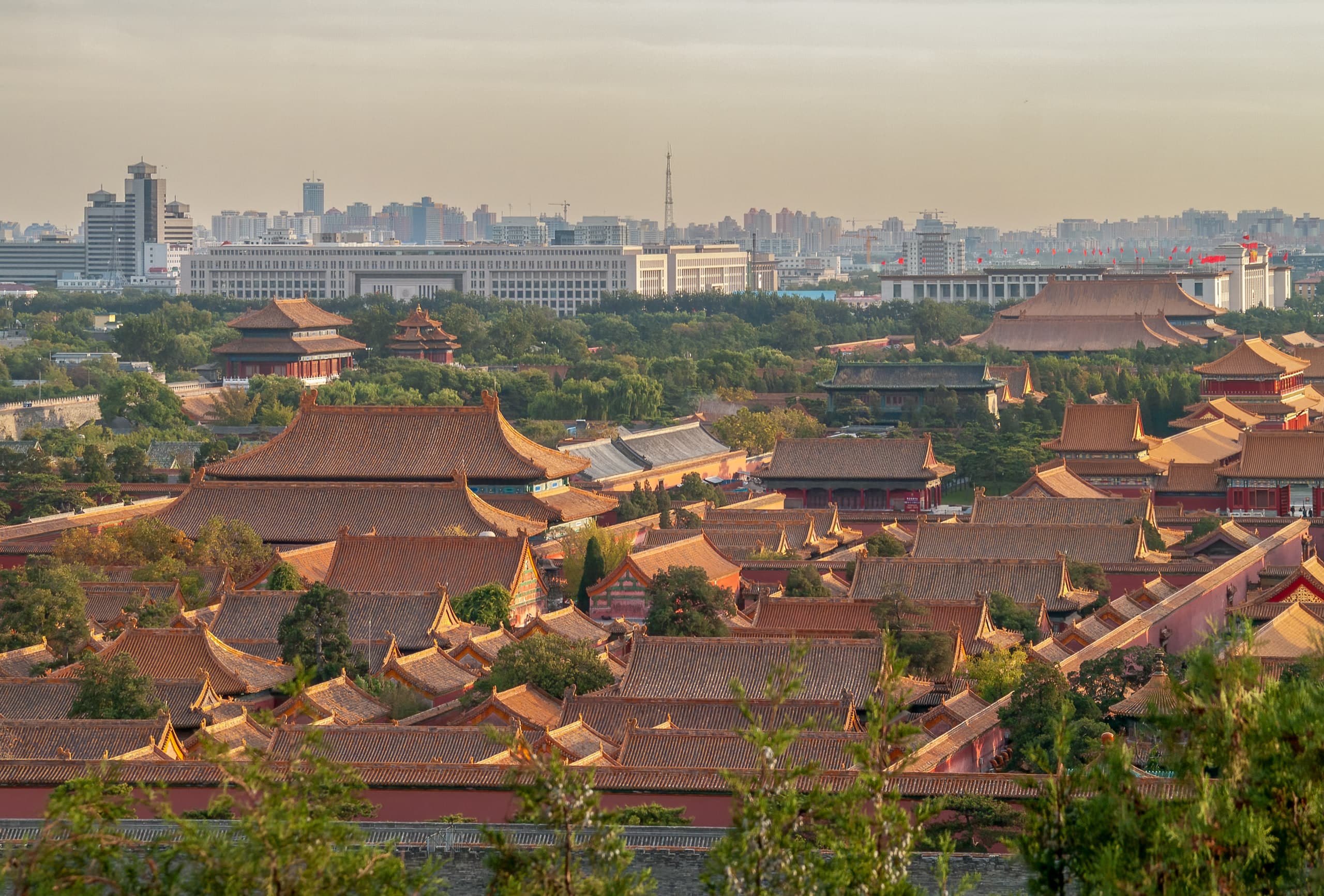
The trains were full. From 1 to 7 October, China's Ministry of Culture and Tourism counted 826 million domestic trips and about 738 billion yuan spent on them. Last year's break ran eight days, with Mid-Autumn tucked inside it, so the fair measure is the day: 6.3 percent more trips, 4.3 percent more money. Restaurants, on the invoice data Xinhua published, were busier than that, up 9 percent. People went out.
Staff inside the houses, who would not be named, told Bloomberg those same days were quiet on their floors. The quiet had started in August.
August, on the mainland
In early summer you could still send a nervous client to Hermès or Cartier and feel you had been sensible. Richemont, which owns Cartier, said China, Hong Kong and Macau together grew by double digits in the quarter to 30 June. The jewellery maisons, Cartier in that group with Van Cleef & Arpels, were up 24 percent before exchange rates. The logo brands were already having a worse year. These two still had a customer.
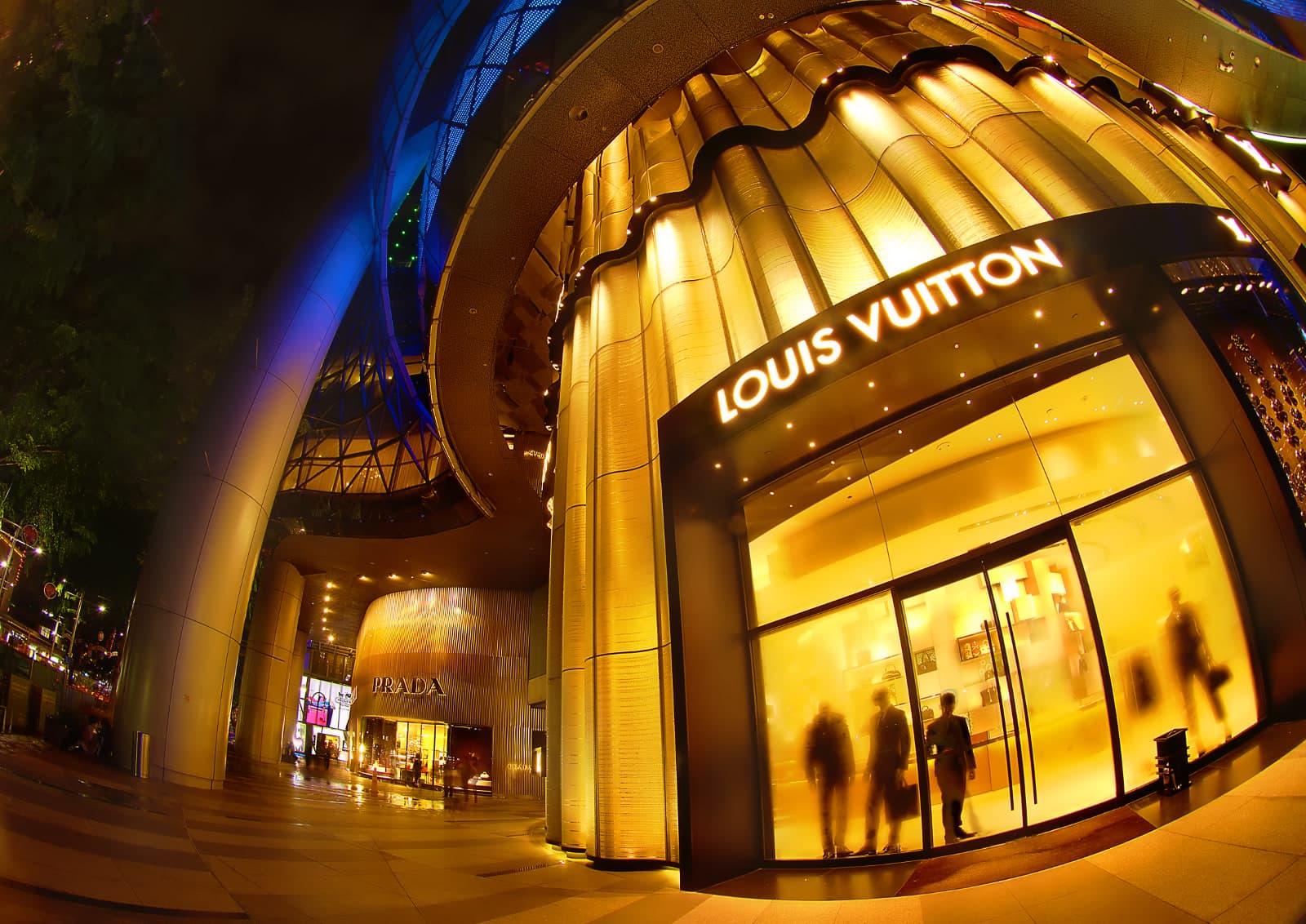
August is when the people counting malls say that customer thinned out. Two firms Bloomberg asked, and the Straits Times reported on 23 October, have mainland sales at both houses down by as much as double digits in August and September. The same count puts the 25 largest luxury names, Louis Vuitton and Gucci among them, down by double digits on the mainland too. Louis Vuitton had an extra problem in the flower on a milk-tea cup, which is Louis Vuitton Took a Milk Tea Flower to Court. Hermès and Cartier got to those two months on the spending alone.
Hermès's own release, published on 22 October, is the page I trust when a mall count and a finance department disagree. Nine-month sales were 12.3 billion euros, up 6 percent once currency is set aside. Asia outside Japan was up 2 percent, and a lot of that lift is Korea. Greater China, the mainland plus Hong Kong, Macau and Taiwan, was flat. The quarter itself grew about 4 percent, to 4.1 billion euros. Asia outside Japan was flat in those three months, a bit under the small gain analysts had written in.
Éric du Halgouët, the finance chief, is the person who says what that flat number is made of. Greater China was slightly up at the end of June. The summer handed the gain back. Hong Kong improved a little, which is one reason the nine months still look level. Leather is the line with a queue. Every bag they make is selling, the Kelly and the Birkin included, in every region. Ready-to-wear fell about 2 percent in the quarter, and he put that on China: fewer people coming through the door. If you are offered the bag, it still goes home with you. The person who used to come in for shoes came in less.
A flat nine months can hold a bad August. June was kinder, Hong Kong helped, and a waitlist bag can cover a slow shoe floor. The change is the reputation. Hermès was the name you used when you wanted to say China still had a luxury client. Cartier has not published an August of its own. JL Warren, one of the mall-watchers, says Hong Kong and Macau have softened the mainland drop in high jewellery. That helps the group. It does less for a Saturday planned in a mainland room.
The trust bill came due
This is the client the maisons were counting on once the middle class pulled back with the property market. On 24 July the Ministry of Finance and the tax authority explained how an offshore trust is taxed. Twenty percent when the assets go in, twenty percent on the income that comes out, and for a trust that has already been running, the bill from the day it was set up generally looks back three years. Pay by 22 October and the late penalties stay off the bill.
Hermès spoke to investors that morning. Du Halgouët talked about property, markets that had softened, and clients who owed that money in a hurry. Deng Qi exports ceramic building parts from Beijing. He told Reuters he expected to spend about 20 percent less on luxury than he has been spending.
"The real issue is the broader impact. Measures like that undermine confidence for everyone. Sooner or later they will set their eyes on the relatively rich." Deng Qi, to Reuters, 9 October 2026
Anne-Laure Bismuth at HSBC has made the Asia trip three years running, and the sentence in the meetings was always the same. This year is hard. Next year will be better. After Hong Kong, Xiamen and Shanghai this time, she wrote that nobody offered a date, or any evidence that the spending had turned.
Some younger clients still in the shops have moved to pieces you notice only if you already know them, the habit in The New Asian Luxury Buyer Doesn't Need You to Recognize the Brand. Deng can afford the loud piece and the quiet one. His plan is simply to buy less.
Chengdu reopened into September
Jacques Roizen advises these maisons from Shanghai, and he thinks 2027 will print a kinder percentage because 2026 was poor. The staff who spoke to Bloomberg without names are gloomier. They think the weakness simply goes on into that year. Roizen's version is the one that should annoy a planner. The chart improves. The middle-class buyer who used to stretch for a first piece has left, and the wealthy buyer has turned careful. An easier comparison leaves both of them where they stood.
Hermès kept opening doors through it. Sanlitun, in Beijing, opened in April, when this client still looked reliable. The Taikoo Li shop in Chengdu came back larger in September, into the month the mall checks were already calling down. Korea is the part of the region still carrying the growth, and the longer version of that is South Korea Is Luxury's Bright Spot While the Rest of the Market Hesitates.
Jewellery and cars, in the official retail figures Bloomberg cited, fell by as much as 21 percent in receipts across August and September. Overall retail had grown 0.4 percent in August, then improved. The holiday after that filled the stations and the restaurants. If you have a China appointment at either house this season, ask the boutique what the floor has felt like since August. Chengdu's new shop will still be there. The Saturday may be thinner than the one you remember.