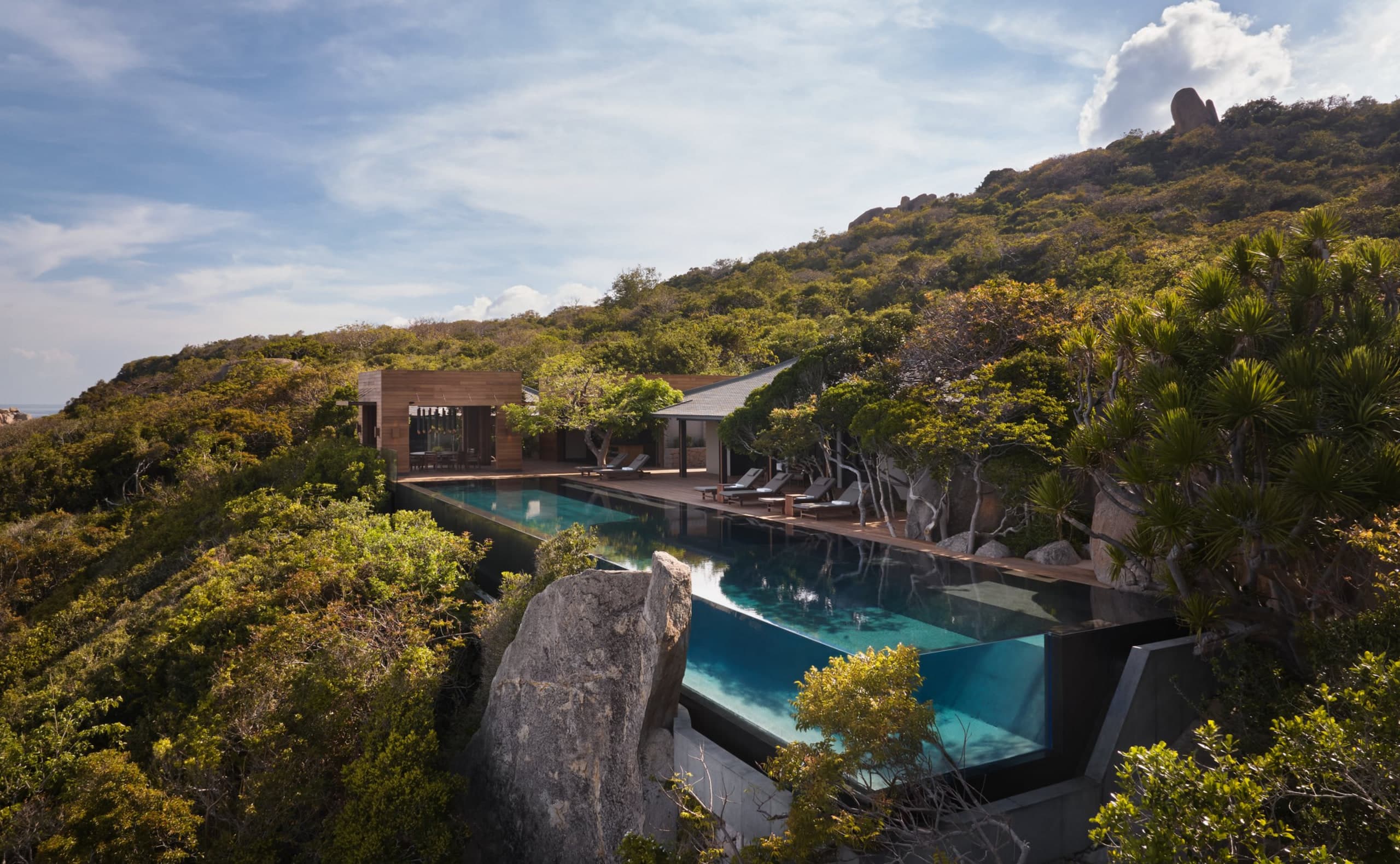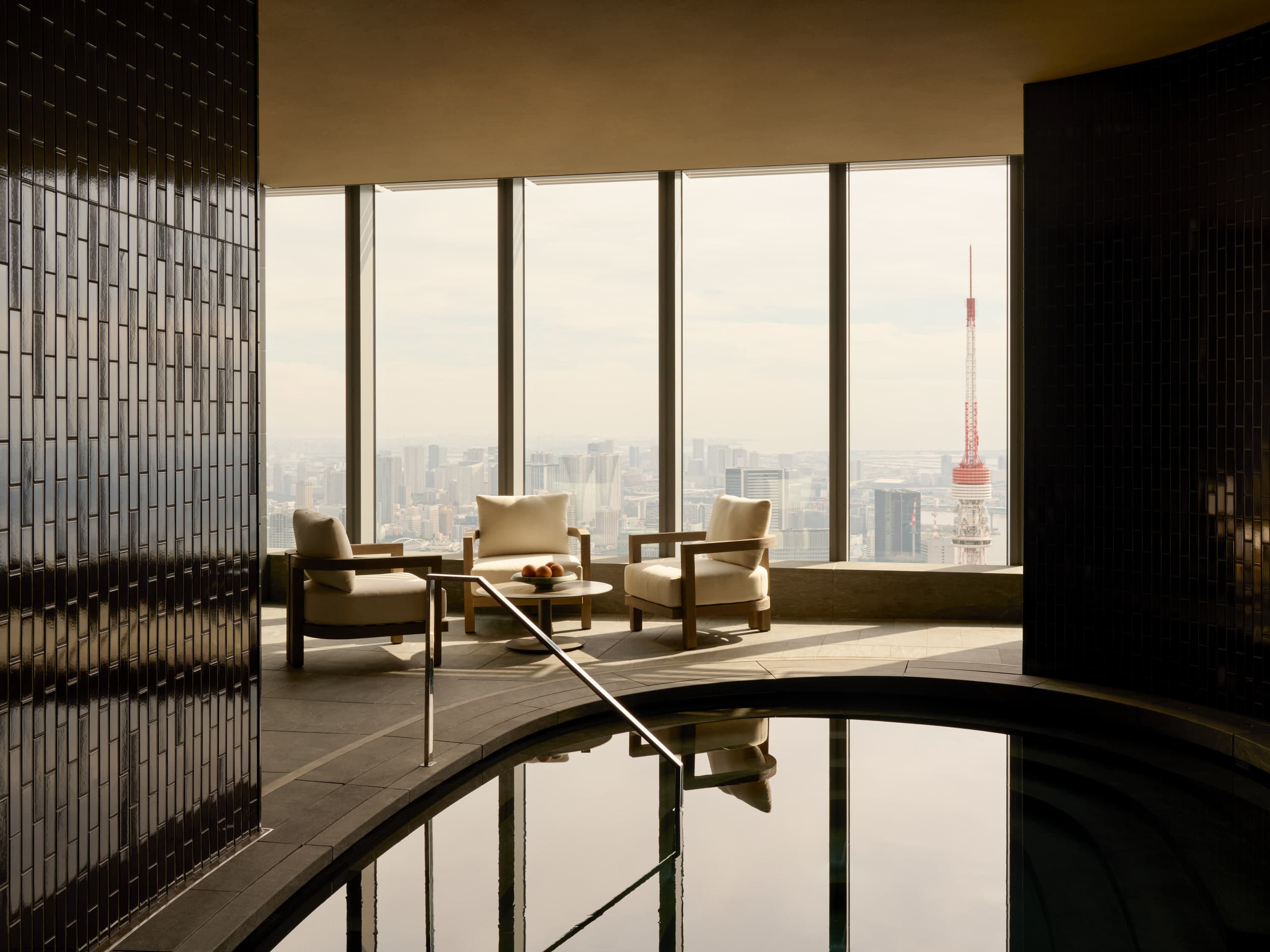
Count the keys if you must. The more interesting line in Accor’s July 2026 Vietnam deal is that Sofitel Serviced Residences and Swissôtel Living arrive with the hotels.
Sun Group and Accor are adding more than 5,300 rooms, resorts, and serviced residences across Phu Quoc and Da Nang over roughly five years. Sun’s own release rounds the partnership toward nearly 6,000 keys. 36Kr’s July hotel report flagged the same package: urban hotels, resort rooms, and apartments under Accor flags Vietnam has not carried before.
Asia’s luxury hotel groups still need beds for guests. Increasingly they also need deeds, service charges, and owners who treat the brand as a membership. Developers buy distribution, standards, and a loyalty network. Affluent Asian buyers buy a lock-and-leave home that behaves like a hotel when they are away and like a private club when they are in.
“Vietnam is one of the most sought-after destinations in Asia, and with this project, our Sofitel presence in the country is set to nearly triple in terms of rooms over the next five years.”
Xavier Grange, Sofitel’s chief development officer for Sofitel, Sofitel Legend, MGallery and Emblems, on Sofitel Sapa Hotel & Residences
The Sapa project is a separate Accor deal, not the Sun Group signing. It is still the useful tell: residence keys now travel with the hotel story, even when the opening is years out.
What the Buyer Actually Gets
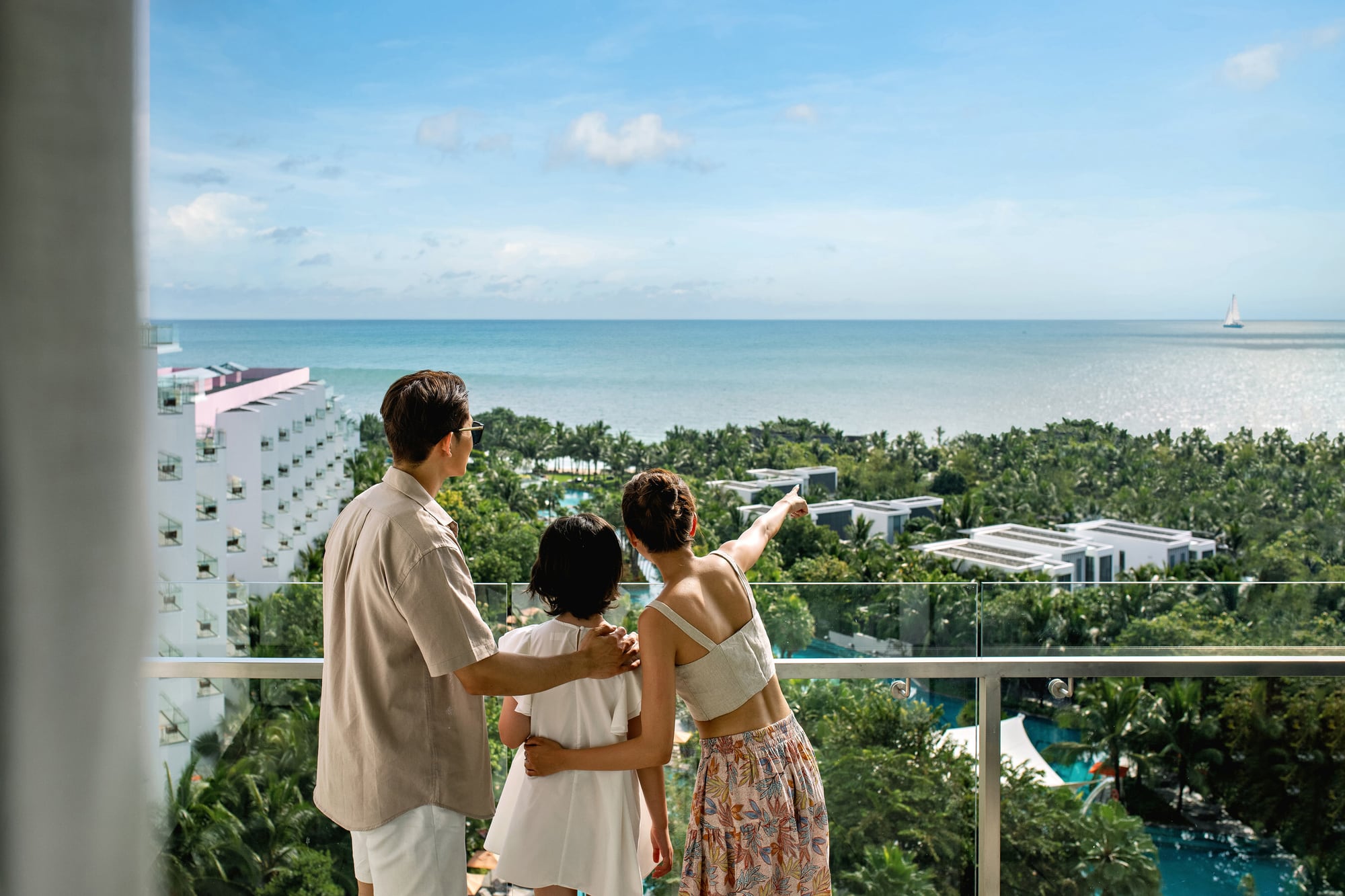
Sales decks blur the categories, so keep three straight. A hotel night is inventory Accor rents to travelers. A branded residence is a private unit the developer sells under a hotel brand license, usually with hotel-grade housekeeping, concierge, and amenity access written into the ownership papers. A serviced apartment under Swissôtel Living or Sofitel Serviced Residences leans toward extended stay: kitchen, laundry, longer tariffs, still run to hotel standards. Accor folds that residential work into Accor One Living, its mixed-use and homeowner platform. A Vietnam signing like this reads as product strategy, not a one-off resort add-on.
What the buyer receives beyond the logo is the operating system. Across Accor residence projects, Ownership Benefits typically push owners toward ALL Diamond recognition, a dedicated VIP desk, preferential rates across the wider Accor portfolio, and on-property privileges at restaurants and spa. Those perks usually ride an annual ownership fee inside the service charge. You are paying for staffed convenience and global status, not only for a balcony facing Kem Beach.
Phu Quoc already runs the grammar in public. Premier Residences Phu Quoc Emerald Bay, managed by Accor on Kem Beach, mixes rooms, apartments, penthouses, and villas inside one beach resort. Mövenpick Residences Phu Quoc, developed by MIK Group and delivered around 2020, sold out as apartments and pool villas inside Mövenpick Resort Waverly. If you have stayed in either, you already know the pitch: the flag on the gate, the apartment behind the door.
The new Sun pipeline simply scales the hybrid. First-phase hotels include SO/, Grand Mercure, and MGallery at Ruby Beach on Phu Quoc, TRIBE and ibis Styles on Hon Thom, and MGallery at Ba Na Hills in Da Nang, while Sofitel and Swissôtel enter Da Nang’s fireworks-and-commercial complex. Separately, Accor is aiming Fairmont Phu Quoc Resort & Residences at late 2027, and Sofitel Sapa Hotel & Residences with Alphanam (176 hotel rooms, 436 residences) at 2030. That is a long shopping list. The useful filter is which names come with a deed and a service charge, and which ones only come with a booking confirmation.
Developers need the brand stack for a different reason. A licensed flag helps sell units earlier, finance construction, and fill rooms after opening through Accor’s booking channels and the ALL loyalty network (more than 110 million members, by Accor’s own count). Sun Group’s Phu Quoc map already treats hotels as infrastructure for a tourism economy: Bai Dat Do as a beachfront hotel city beside Sunset Town, Hon Thom as an entertainment island that will also take Rixos Phu Quoc, Accor and Ennismore’s first Asian all-inclusive, later in 2026. The residence product monetizes the same master plan twice: once through property sales, again through management fees and guest nights.
Why These Coasts, and What Can Break
Phu Quoc and Da Nang remain targets because the demand story is larger than a single resort week. Vietnam’s international arrivals ran near 12.3 million in the first half of 2026, with a national target around 25 million for the year. Phu Quoc is racing toward APEC 2027, with Sun Group pouring tens of thousands of planned rooms and apartments into Bai Dat Do and related sites, and expanding airport capacity with partners that include Changi Airports International. Da Nang sells a different calendar: coastal leisure plus the International Fireworks Festival, now being rebuilt as the Sun Galaxy Complex with a mixed-use Accor tower.
Keep the champagne in the fridge. The same Furama market reading that cheered high-end occupancy in Da Nang also counted roughly 6,835 rooms under construction, about 30 percent of existing stock. Absorption, not ribbon cuttings, will decide who looks clever in 2028.
Buyers should read the risks with equal care. Savills and C9 Hotelworks both place Vietnam among Asia’s thickest branded-residence pipelines; C9’s 2026 review puts the country near the top of a roughly USD 40 billion regional sales pipeline. Volume invites sameness. Resale liquidity for resort apartments is thinner than urban condos. Foreign individuals still face tight rules on tourist apartments and condotel-style products under Vietnam’s real-estate business framework, even as industry groups lobby for broader purchase rights. Accor’s own branded-residence disclaimers are blunt: the developer sells the unit, the brand agreement can end, and Accor does not guarantee income. Service quality is the soft risk marketing never prices. A residence only feels like Sofitel while the operator keeps Sofitel staffing ratios after the sales team leaves.
Vietnam’s New Luxury Hotels Are Moving Beyond Colonial Nostalgia tracks how rooms are starting to look more Vietnamese. This pipeline asks a different question, closer to When the Building Becomes the Country Club: membership before square footage, now written onto the coast. Buy the residence if you will use the lock-and-leave life and pay the service charge with clear eyes. Treat the key count as the developer’s headline, not yours.