

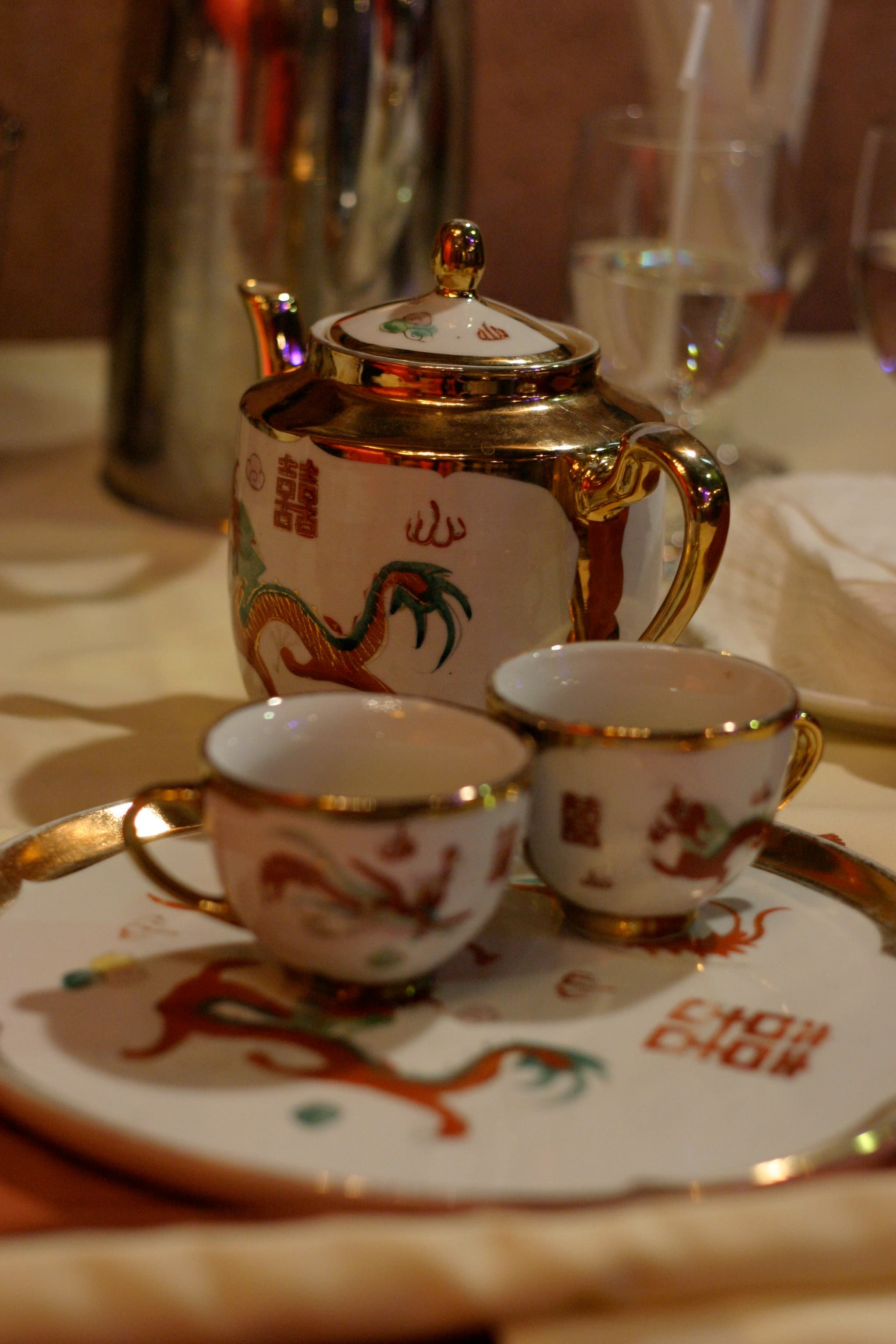
The invitation arrives with several times, two venues, and perhaps a line from a parent you have never met. Are you invited to the tea ceremony or only the banquet? Is red celebratory or reserved for the bride? Does the registry replace the red envelope?
Most diaspora weddings now combine systems. A civil, church, or secular ceremony may be followed by a Chinese banquet; the tea ceremony may happen that morning in a family home or hotel suite. Regional and family traditions still determine the details, while the invitation and wedding website tell a guest what this particular couple expects.
“I always tell the couples to ask their families because you don’t want to disrespect them at the end of the day.”
Rubina Tiyu, Singapore wedding planner, interviewed for the National Heritage Board’s Chinese Weddings inventory
Guests should follow the same principle. Read what is written, then ask the couple or their designated family contact about anything that remains unclear.
Read the Invitation Literally
Reply promptly and respond to each event named. An invitation to the evening banquet does not automatically include the tea ceremony, which is commonly kept to relatives and selected family friends. A partner is included only when named or explicitly offered.
In practical terms, the digital invitation or wedding website is the source of truth. Confirm whether the listed time marks guest arrival or the ceremony itself, and do not extend one event’s invitation to the rest of the schedule. If anything remains unclear, ask:
- Which events should I attend?
- Is there a requested dress color?
- Should I use the registry, cash fund, or a red envelope?
- Where should I record allergies, accessibility needs, or alcohol preferences?
Send dietary information early. Family-style banquet service makes an undeclared allergy much harder to manage than an individual plated meal.
If You Are Invited to Tea
Historically, tea marked respect for elders and the formal recognition of new family relationships. In patrilocal traditions, it could emphasize the bride’s entry into the groom’s household. Many diaspora couples now make the ritual reciprocal, serving both families in one compressed ceremony before the public wedding. Parents commonly precede other relatives; elders may answer with blessings, jewelry, or red packets.
The family still decides who participates, which side is served first, whether the couple kneels or stands, and how younger relatives enter the sequence. In Taiwan, an engagement tea ritual may involve the prospective bride serving the groom’s family, who leave red envelopes near the cups. That is distinct from the wedding-day sequences documented in Singapore and Hong Kong.
For an ordinary guest, the modern expectation is straightforward: do not attend unless the event appears on your invitation. If you are included, the coordinator will establish the order. Offer and receive cups or gifts with both hands when directed. Before introductions, ask for the pronunciation of names and preferred kinship titles.
Dress for This Couple, Not a Color Chart
The modern qipao, also commonly called a cheongsam in English through the Cantonese term, developed in the cosmopolitan fashion culture of the 1920s. It is different from the qun kwa or qun kua, the embroidered bridal jacket-and-skirt ensemble seen in many Cantonese weddings. The New Cheongsam Circuit explains how the dress moved beyond ceremonial nostalgia.
Most guests now wear the invitation’s Western cocktail, formal, or black-tie code. Chinese dress is optional unless requested. Red is auspicious, yet families disagree on whether guests should wear it, particularly when the bride plans to change into red. Ask before choosing a full red look. A white shirt beneath a suit is unremarkable, while a head-to-toe white bridal silhouette is a poor choice. Black tailoring is standard at many Western-format receptions, though pairing it with color is safer around more traditional elders.
Gold works well as an accent. A complete red-and-gold ceremonial look risks competing with bridal clothing. The invitation and the couple’s answer outrank every symbolic-color list online.
Make the Gift Decision
A red envelope is hóngbāo in Mandarin, lai see or lai si in Cantonese, and often ang pau in Hokkien-influenced Southeast Asian usage. “Red envelope” is perfectly acceptable when you do not know which term the family uses.
Historically, cash gifts belonged to a reciprocal family economy: amounts could reflect relationship, prior exchanges, and obligations expected to continue over decades. That history is why universal online amount tables fail across cities and currencies. “Cover your plate” is a market heuristic rather than a moral obligation.
The modern decision is simpler:
- A registry or cash fund is supplied: use it. An additional red envelope is optional.
- There are no instructions and the wedding centers on a Chinese banquet: a red envelope is usually the safest choice.
- The day follows a Western ceremony and reception format: use the registry or a conventional wedding gift.
- You are close family or unsure of the amount: ask a sibling or wedding-party member what this family normally does.
Bring the envelope clean and uncreased, with your name written discreetly. Give it to the designated reception table or family greeter. Hand it over during the tea ceremony only when you are one of its participants.
At the Banquet
The contemporary diaspora banquet commonly includes assigned seating, a multi-course family-style meal, speeches, table visits by the couple, and perhaps an outfit change. Reception drinks may precede seating, but guests should arrive at the time printed rather than assuming a culturally sanctioned delay.
Sit at the assigned table. Seating may reflect generation, family branch, language, or the hosts’ judgment about who should meet. Treat it as logistics, not a ranking to decode aloud.
Wait for the host or elders to begin when the table is formal. Stand when your table or the room stands for a toast, and avoid launching a private round during speeches or active service. Yam seng, the extended celebratory toast familiar at many Singaporean and Malaysian Chinese weddings, is regional practice rather than universal Chinese etiquette.
Alcohol is optional. Tea, water, or a soft drink can carry a toast without apology. For allergies, halal, kosher, vegetarian, or vegan requirements, advance notice matters more than improvisation at the table. Removing one visible ingredient from a shared dish may not make it safe.
Stay through the principal toasts and meal unless the couple has described a drop-in reception. Greet the hosts when a natural moment appears, avoid holding the couple in a long conversation, and thank the parents or family members who receive you.
The banquet itself carries the final instruction: observe the room before acting. The Art of the Modern Banquet offers the host’s view of seating, pacing, and dietary care. The guest’s contribution is simpler. Arrive prepared, follow the family’s lead, and make celebration easier for the people giving it.
Hero photograph: “Tea ceremony (6297996321).jpg”, photographed in Hong Kong by Joybot, licensed under CC BY-SA 2.0.

.jpg)