Walk into a room with white walls, one chair, and a branch in a vase, and you have a photograph.
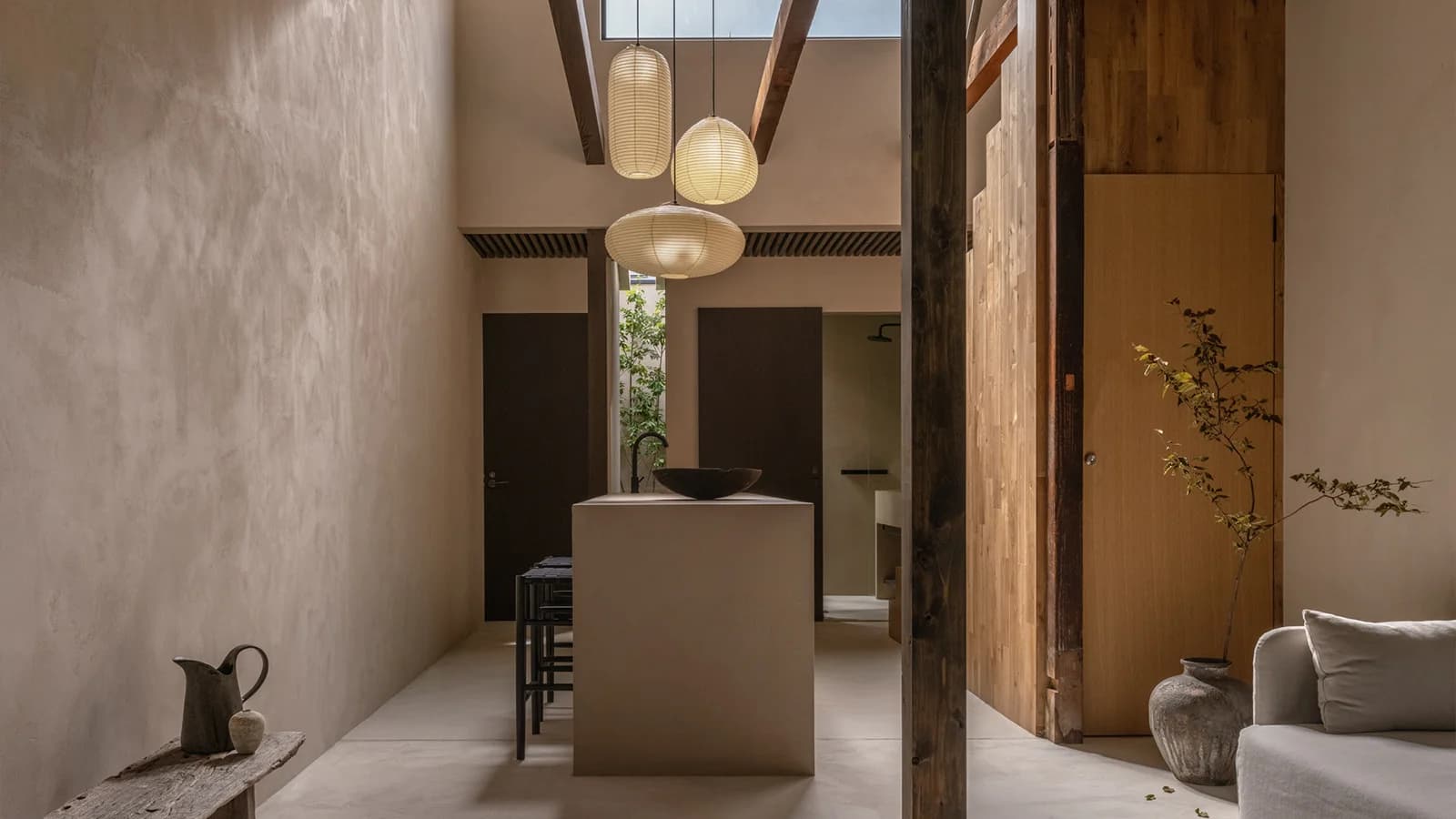
Walk into a room where wood grain reads at dusk, where a single ceramic bowl holds the table's center, where the pause between furniture and wall feels measured rather than empty, and you have a tradition. Asian minimalism is not subtraction for its own sake. It is the discipline of keeping only what earns its place, arranged with the care that comes from centuries of practice in ma, liu bai, and craft cultures that treat imperfection as material rather than error.
"Ma is not emptiness. It is the meaningful space between things."
For diaspora designers and homeowners raised between East and West, that discipline has become a professional language: neither nostalgic nor cold, but calibrated for apartments in Vancouver, landed houses in Singapore, and family life that will not fit into a catalog spread.
Material Before Paint
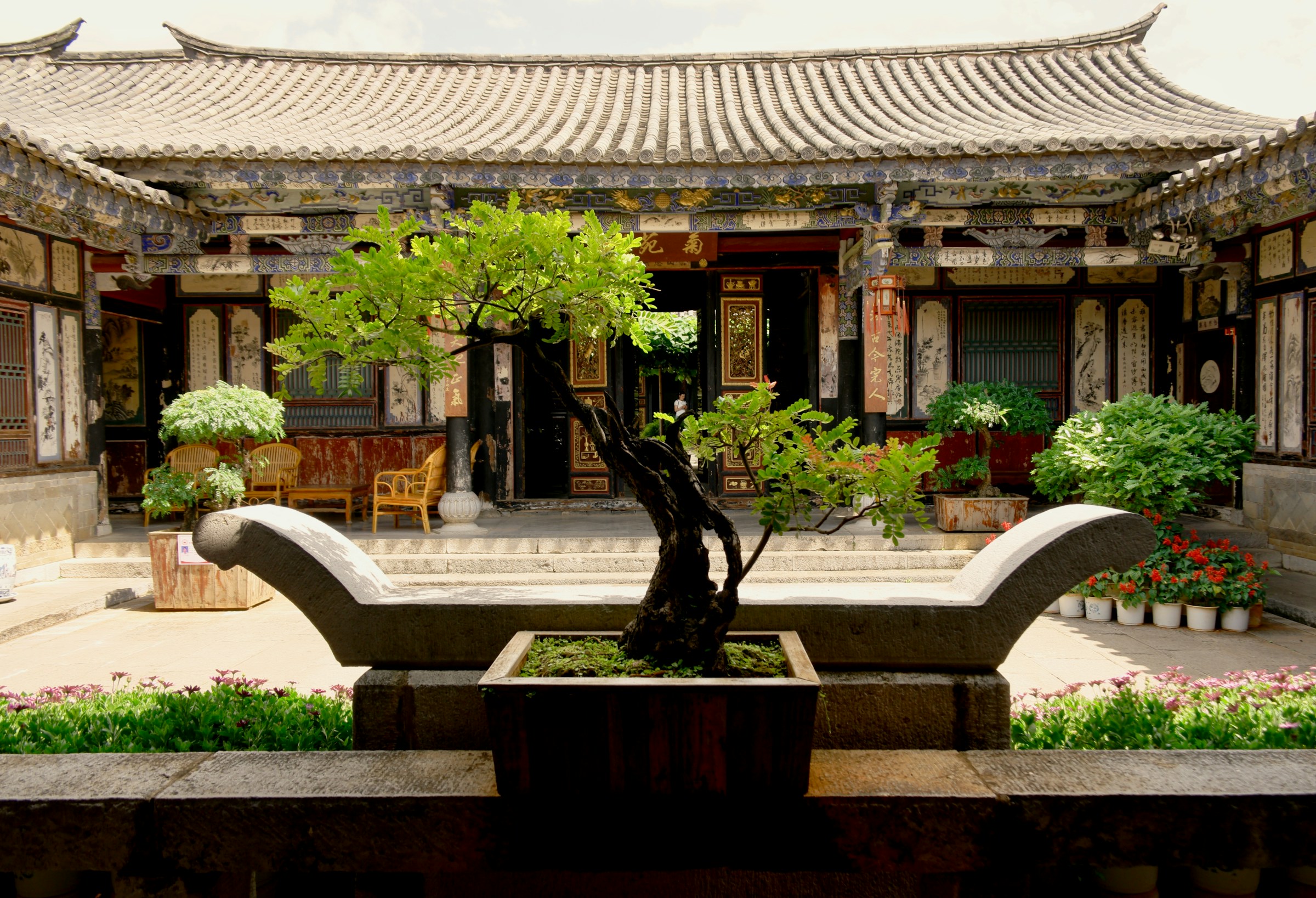
Kengo Kuma treats material as the primary ornament: wood allowed to silver, stone chosen for grain, light changing through the day like a finish coat. Neri&Hu work in reclaimed brick, cast concrete, and brass that patinas rather than tarnishes. The palette stays restrained. The surfaces do not.
This is where Asian minimalism diverges from Scandinavian white-box minimalism. Warmth arrives through tatami, shoji, hand plaster, and local stone. Studio Mumbai and Vo Trong Nghia extend the logic across climate: bamboo, laterite, lime wash where Nordic taste would default to painted drywall. The room feels rooted because the material belongs to the place, not the mood board.
A diaspora interior can hold memory without clutter: a Kyoto market bowl, a lacquer tray from grandparents, a textile from a Hmong weaver in Oakland. Minimalism here is not absence of history. It is room for objects that anchor daily life.
Craft Because Nothing Hides
Minimal rooms expose every joint. When there is no crown molding, the wall must be plumb. When there is no rug, the floor must be level. When there is one chair, its construction must survive scrutiny.
Asian minimalism therefore stays close to craft: joinery without visible nails, ceramics that function as sculpture, textiles that supply the room's only color. Contemporary makers scale the idea for real floors: Muji's architectural division, Karimoku Case Study, independent studios in Seongsu-dong. Craft is not heritage display. It is quality control visible to the eye.
Light as Structure
Western minimalism often treats windows as neutral holes. Asian minimalism treats light as structural. Tadao Ando's concrete chambers modulate daylight until illumination becomes ornament. Residential work need not be monumental to follow the rule: a clerestory that grazes plaster, a shoji that softens glare, a deep eave that makes shade part of the floor plan.
In Singapore and Hong Kong towers, where sun angle is relentless, brise-soleil, interior screens, and layered shading separate thoughtful minimalism from bleached austerity. Artificial light follows hospitality discipline: dimmable, warm, layered. One overhead fixture in an otherwise empty room is not minimal. It is unfinished.
What Deserves to Remain
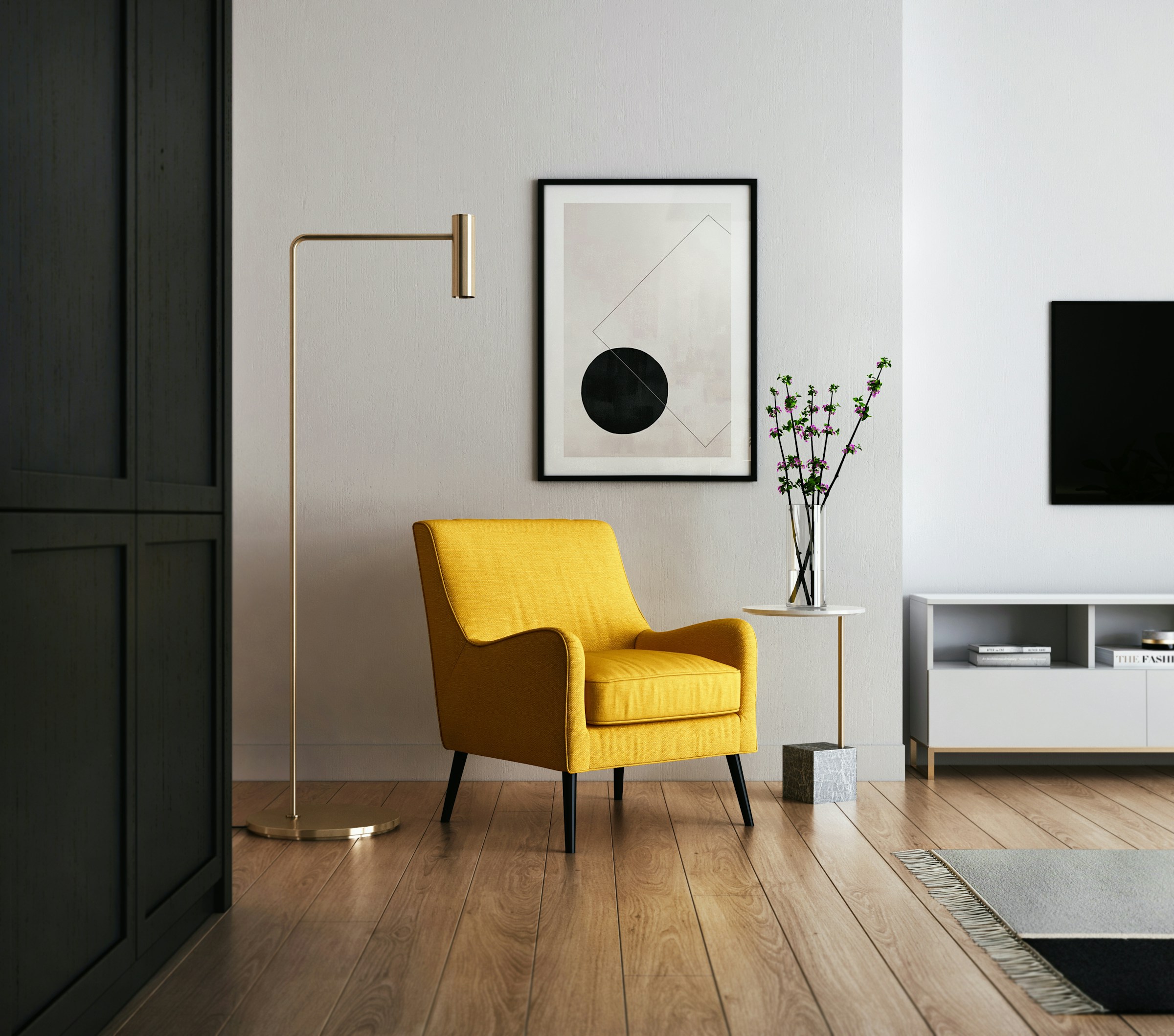
Western minimalism asked what you could remove. Asian minimalism asks what deserves to remain. That question changes every purchase.
Edit possessions against daily use, not aspiration. One excellent dining table outlasts four compromises. Built-in storage that disappears into walls keeps surfaces clear without pretending closets do not exist. Window placement and shading are design decisions, not contractor defaults. Wabi-sabi is not sloppiness. It is permission for materials to age well.
Plan for ritual: a low table for tea, a bench for shoes, a ledge for seasonal flowers. Minimal rooms need habitual gestures as much as furniture. Measure sightlines before buying statement pieces. A chair that blocks a garden view violates the philosophy regardless of designer pedigree.
Proportion, Apartment Life, and Noise
Asian minimalism favors lower seating, narrower tables, circulation that assumes shoes removed. Western furniture scaled for boots and carpet feels wrong in tatami-adjacent rooms even when no tatami is present. Charlotte Perriand's Japanese collaborations and Hans Wegner's crossover work understood this decades ago. Karimoku Case Study and Nousaku brass vessels supply contemporary pieces that sit comfortably in diaspora interiors without quotation marks.
Most diaspora clients live in apartments, not detached houses. Suppose Design Office and Muji House in Tokyo show that 60 square meters can feel generous when circulation is clean and storage is integrated. Toronto and Vancouver conversions borrow the same moves: platform beds with drawers, islands that swallow small appliances, entries that conceal shoes without a dedicated mudroom.
The mistake is importing New York loft minimalism into a family apartment. The new Asian minimalism assumes children, guests, and a week of travel chaos. Everything needs a place to return to.
Silence is an underrated material. Solid doors, acoustic insulation, soft surfaces that absorb echo: the room feels calm because it sounds calm. Restraint in color does not mean absence of color. Indigo, charcoal, unbleached linen, and warm white age well. One saturated object, celadon vase or persimmon textile, carries more weight than a gallery wall.
Errors to Avoid
Catalog minimalism. Furniture sold as a "Zen suite" produces showrooms, not homes. Each object should be chosen for its place.
Hidden clutter. Clear surfaces with stuffed closets fail the standard. Storage must be generous enough for actual life.
Climate denial. Tatami and untreated wood suit Kyoto humidity. They need adaptation in heated Vancouver basements or air-conditioned Singapore towers.
Cultural quotation. A decorative Buddha head does not make a room Asian minimal. Reference lives in proportion, craft, and light.
Commission architects and makers who treat restraint as technical difficulty, not stylistic preference. Kengo Kuma and Neri&Hu are reference points, not templates. Every visible junction, flat surface, and concealed hinge requires coordination. Specify craftspeople when possible: a Kyoto joiner, a Jingdezhen ceramicist, a Seoul textile studio. Diaspora clients often commission in ancestral cities and install abroad. Customs, climate, and mounting details need planning as careful as the piece itself.
Lighting designers belong on the team. A room correct at noon may die at dusk without layered artificial light. Hotels solved this problem nightly; residences borrow the discipline.
Maintenance as Philosophy
Asian minimalism is not a look to install once. It is a standard to maintain.
Read the room once a season. Remove what no longer serves. Adjust what shifted. Visit Muji House in Tokyo, a Neri&Hu gallery in Shanghai, or craft floors at Tokyo Midtown during design week and the same principle appears in different registers: nothing extra, nothing careless, everything considered.
The diaspora home that adopts this standard does not need to look Japanese, Chinese, or Korean. It needs to look maintained, which is the deepest minimalism any tradition has named. A Vancouver apartment, a London mews house, and a Singapore penthouse can share the conviction without sharing a floor plan. The result is not a trend. It is a habit of choosing well.
For garden and window logic that pairs with this restraint, see our piece on interiors inspired by garden traditions.