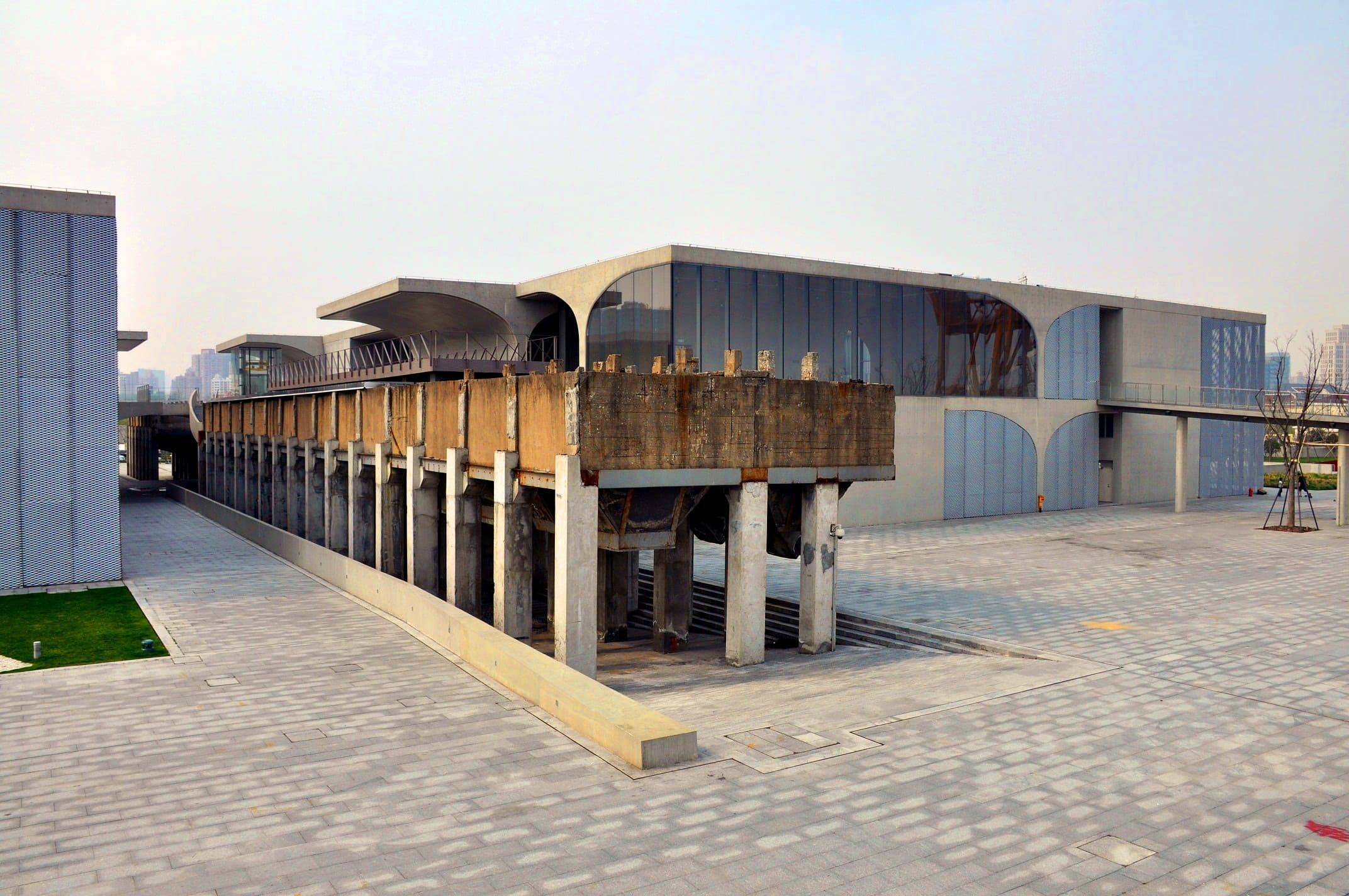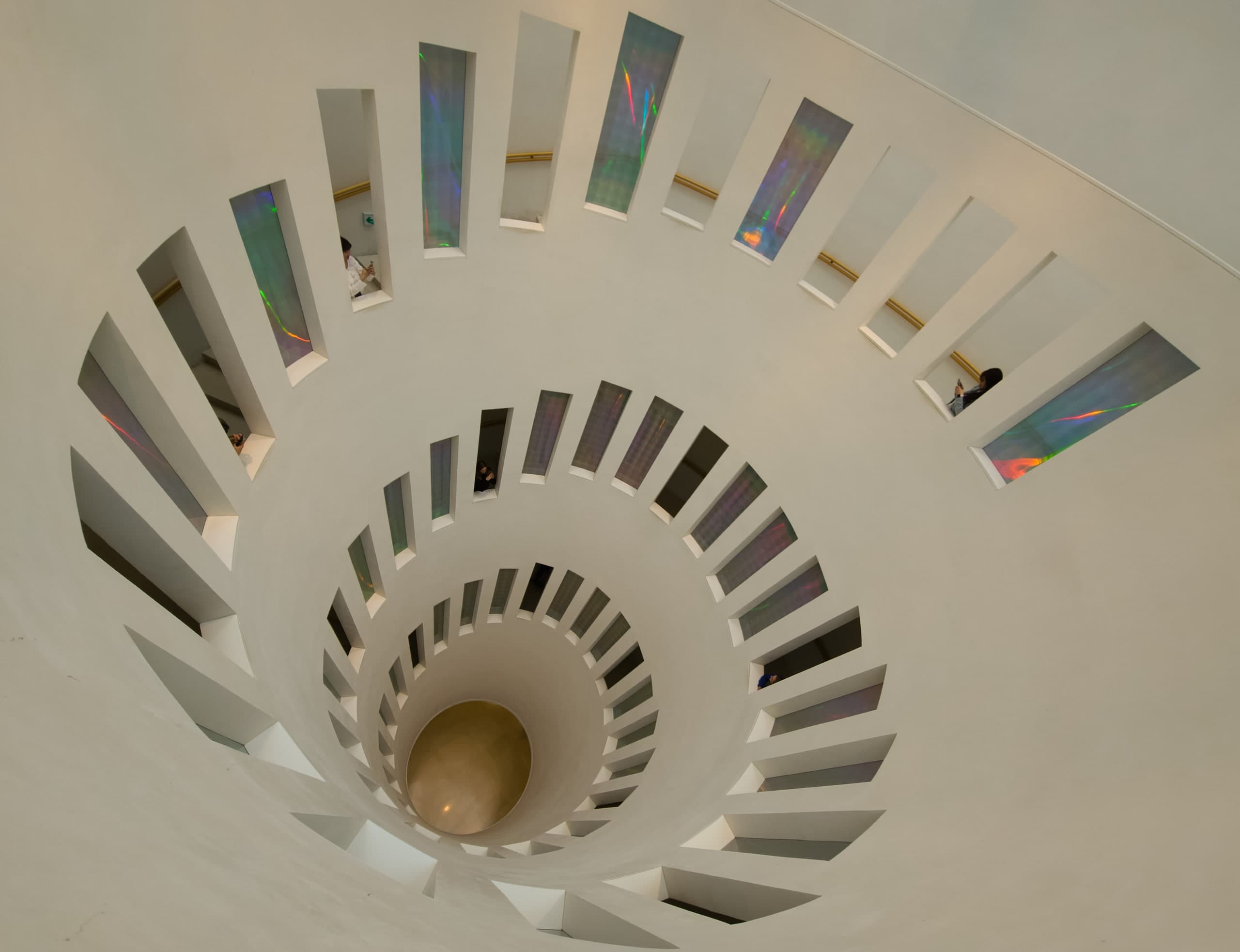
Looking down the spiral atrium at Leeum Museum of Art, Hannam-dong: the Seoul room that framed Lee Bul’s survey before the show travelled to M+.
The syllabus moved in Seoul first.
For Banquet readers, this Ambassadors stop tracks filmmakers and artists whose work still leaves a Hannam museum morning, a festival date, or a travelling survey you can diary. Global rooms matter as export proof. The city chip stays Seoul.
“Once you overcome the one-inch tall barrier of subtitles, you will be introduced to so many more amazing films.”
Bong Joon-ho, accepting the Golden Globe for Best Foreign Language Film for Parasite, January 2020
Cinema That Stopped Asking Permission
Bong Joon-ho’s Parasite won the Palme d’Or at Cannes in 2019, then four Oscars in 2020, including Best Picture: the first non-English-language film to take the Academy’s top prize. The Golden Globe line about subtitles treated language as a one-inch barrier, not a wall. That was a Seoul-made syllabus change aimed at audiences who still needed permission to cross it.
Park Chan-wook kept the Korean festival spine hot. No Other Choice (어쩔수가없다), with Lee Byung-hun, premiered in competition at the 82nd Venice Film Festival in August 2025, opened Busan, and became Korea’s official submission for the 2026 Academy Awards’ international feature category. It made the shortlist and missed the final five; the durable facts for readers are the Lido premiere and the domestic release calendar. Confirm theatrical and streaming windows where you live.
Festival literacy still runs beyond Korea. Lav Diaz’s Magellan (Magalhães) played Cannes Première in May 2025 and reached Philippine theatres that September: another reminder that slow cinema from Manila never waited for Western comprehension. Useful neighbouring parallel. Not a second city stop on this map.
Lee Bul, Then the Travelling Proof
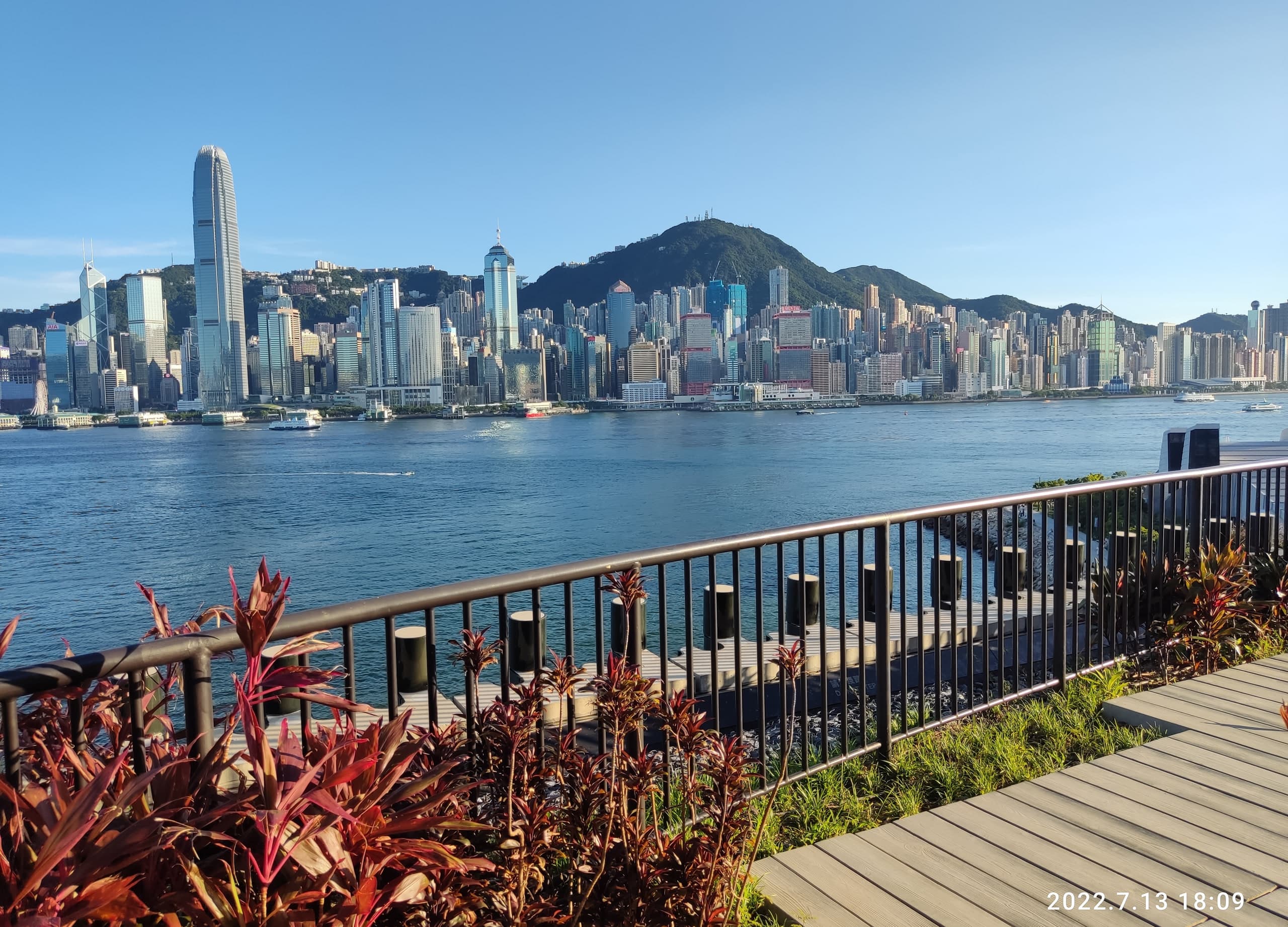
Lee Bul’s survey From 1998 to Now is the practical Seoul appointment that later became a Hong Kong one. It opened at Leeum Museum of Art (4 September 2025 through 4 January 2026), then at M+ West Gallery, Level 2 (14 March through 9 August 2026), co-curated with M+ artistic director Doryun Chong. Roughly two hundred works track the Cyborg and Anagram figures that made her international name through the architectural Mon grand récit installations and recent Willing To Be Vulnerable and Perdu series.
If you are in Hong Kong before 9 August 2026, Lee Bul at M+ is the special-exhibition diary item that grew out of Hannam. After that, follow European and North American tour dates as published. The Ambassadors point is sequence: Seoul hosts, then the work travels.
The same season still offers calendar rooms elsewhere if you are already on the fair circuit. Cao Fei’s Testimonies to the Near Future fills Kunstmuseum Basel | Gegenwart through 11 October 2026. Rirkrit Tiravanija’s The House That Jack Built occupied Pirelli HangarBicocca in Milan through 26 July 2026. Useful if Basel or Milan is already booked. Neither replaces Leeum as this chapter’s address.
For shippable design that grows from Asian studios rather than another façade tour, read Hang the Kite Above the Table and the Seoul leg of Why Design Miami Basel Matters.
How to Follow From Hannam
Start at Leeum. 60-16 Itaewon-ro 55-gil, Yongsan-gu; Hangangjin Station, Line 6, Exit 1, then about a ten-minute walk into Hannam. Typical hours run Tuesday through Sunday, roughly 10:00 to 18:00, closed Mondays and major holidays; confirm special-exhibition tickets and last entry on leeumhoam.org. After Lee Bul, 2026 programming has included surveys such as Inside Other Spaces: Environments by Women Artists 1956-1976 (5 May through 29 November 2026); check what is actually on the floor before you fly.
Keep M+ as the travelling chapter. Museum Drive, West Kowloon, for Lee Bul through 9 August 2026, then the permanent collection. Pair with The Patrons Who Earned the Job when the question turns to who funds the rooms.
Add Basel or Milan only if the week is already yours. Cao Fei at Gegenwart through mid-October; HangarBicocca’s programme changes after Tiravanija, so confirm pirellihangarbicocca.org before you divert a Milan morning.
Continue the Ambassadors map with Payak Keeps the Weave Visible in Manila when soft power becomes furniture you can ship, then The Collectors Shaping Contemporary Asian Art in Shanghai for rooms after the hammer. For the Biennale stage, read In Venice, Asian Pavilions Are Rehearsing History.
This is the Seoul chapter of The Ambassadors: Hannam first, then the buildings that prove the syllabus travelled.